

Understanding the psychological triggers that keep gamblers returning to casinos
The Thrill of Anticipation
The anticipation of winning is one of the most significant psychological triggers that keeps gamblers returning to casinos. Each spin of the slot machine or roll of the dice offers a chance for excitement, especially when considering the options available at crypto casinos no kyc. This anticipation creates a rush of adrenaline, often described as the “gambling high.” This thrill is not just about winning money; it’s about the possibility of an exhilarating experience that could change one’s fortunes in an instant.
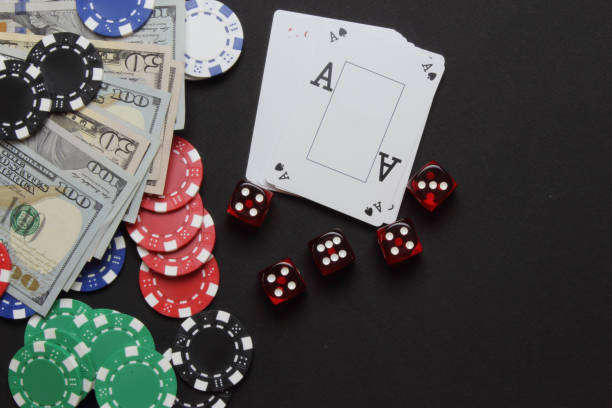
Moreover, anticipation taps into human psychology, igniting a sense of hope. Gamblers often envision themselves hitting the jackpot, picturing the celebrations and lifestyle changes that could follow. This visualization serves to reinforce their desire to gamble, as they continuously chase the euphoric highs associated with winning, making it hard to resist the call of the casino.
Additionally, the environment in casinos is carefully designed to amplify this anticipation. Bright lights, sounds of winning, and the buzz of excitement all create a sensory overload that heightens the thrill. The combination of sensory stimulation and the hopeful mindset perpetuates a cycle where the prospect of winning becomes increasingly enticing, ultimately driving gamblers back for more.
Illusions of Control
Another psychological trigger that keeps gamblers coming back is the illusion of control. Many players believe they can influence the outcome of a game through strategies or rituals. Whether it’s a specific way of throwing dice, pressing a button, or choosing a slot machine, these behaviors foster a sense of agency. This perceived control can lead gamblers to feel that they are not just passive participants but rather active players in their financial destiny.
This illusion is reinforced by small wins or near misses, which create a false sense of skill. For instance, a player might lose most of the time but remember that one instance when they came close to winning. This selective memory encourages them to return, convinced that they can replicate that success. Consequently, the belief in their ability to change outcomes promotes continued engagement with gambling.
Furthermore, casinos often capitalize on this psychological phenomenon through promotions and gameplay formats that emphasize control. For instance, skill-based games allow players to think they can influence their success, thereby enhancing their engagement. The result is a cycle where the illusion of control keeps gamblers returning to test their luck and skills, even when the odds are against them.
The Social Experience
Casinos are not just venues for individual gambling; they serve as social hubs that attract people looking to connect with others. The social experience of gambling plays a crucial role in drawing players back. From lively poker tables to bustling slot areas, the camaraderie among players fosters a sense of community. The interaction with fellow gamblers often leads to shared stories, excitement, and collective anticipation that enriches the gaming experience.
Moreover, many individuals may seek the social validation that comes from participating in a group activity. The shared excitement of wins and losses creates bonds and memories that players cherish. This social aspect can be particularly appealing to those who may feel isolated in their daily lives. The desire for social connection can effectively override the potential risks of gambling, making it a compelling reason to return to casinos.
Additionally, casinos frequently host events, tournaments, and social gatherings that enhance the communal experience. These events often encourage players to return regularly, as they are not just gambling but participating in a larger social event. The combination of games and social interaction creates an environment where the gambling experience feels more engaging and worthwhile, ultimately reinforcing the urge to return.
The Role of Reward Systems
Reward systems in casinos are meticulously designed to keep gamblers engaged. Loyalty programs, bonuses, and incentives offer players tangible rewards for their continued patronage. These rewards not only provide immediate gratification but also reinforce the idea that consistent play could lead to bigger rewards in the future. This cycle of earning and redeeming points creates a sense of accomplishment that feeds into the gambler’s psychology.
Furthermore, the concept of “losses disguised as wins” plays a significant role in the psychology of gambling. For example, a player may receive bonus credits or free spins after a loss, which can create a misleading sense of success. This cognitive distortion encourages players to return in hopes of achieving the ‘next win,’ despite losing more than they realize. Such strategies effectively blur the lines between winning and losing, leading to continued participation.
Additionally, casinos often enhance the thrill of rewards through psychological triggers, such as scarcity and exclusivity. Limited-time offers or exclusive rewards for high rollers can amplify the desire to return and participate. These elements create urgency and excitement, compelling gamblers to chase after rewards that seem just within reach. This dynamic, blending psychology and gaming, ultimately keeps players returning to chase the thrill of winning.

Exploring the World of Gambling and Casinos
Understanding the psychological triggers that keep gamblers returning to casinos is crucial for both players and industry professionals. Acknowledging the factors of anticipation, control, social interaction, and rewards sheds light on the intricate relationship between gambling and human psychology. These triggers create an environment where individuals may find both thrill and community, making it difficult for them to walk away.
As the gambling landscape evolves, especially with the advent of online platforms and cryptocurrencies, awareness of these psychological factors becomes even more vital. Knowing the reasons behind the allure of casinos can help individuals make more informed decisions, whether they are casual players or more serious gamblers. The insights gained from understanding these triggers can lead to healthier gambling habits and more responsible gaming practices.
Ultimately, the experience of gambling is multifaceted, shaped by human emotions, social dynamics, and reward systems. For those exploring their options, understanding these elements can enhance their experience and help them navigate the world of casinos more wisely. Whether participating in traditional establishments or engaging with online platforms, awareness of psychological triggers can lead to a more balanced approach to gambling.
