

Understanding the House Edge
The house edge represents the mathematical advantage that casinos have over players. It is a crucial concept in gambling, indicating the expected percentage of each bet that the casino will retain over time. Different games have varying house edges; for instance, European roulette has a house edge of about 2.7%, while American roulette is higher at approximately 5.26%. This means that, on average, a player can anticipate losing $2.70 for every $100 wagered in European roulette, and $5.26 in American roulette, which is why many players turn to online pokies australia real money options that can offer better odds and experiences, underscoring the importance of understanding these figures before placing bets.
This edge is not arbitrary; it exists because the games are structured in a way that favors the casino, ensuring a profit over time. Players often aim to maximize their chances of winning, yet the rules and odds are designed to ensure the casino’s profitability. Understanding the house edge is essential for players who want to make informed choices and possibly develop strategies to mitigate losses while enhancing their overall gaming experience.
Moreover, the house edge fluctuates among different games. For example, games like blackjack can offer players a chance to reduce the house edge significantly by using basic strategy. On the other hand, slot machines often have a higher house edge, typically around 5% or even more. This variance is crucial for players to consider, as it can greatly influence their approach, strategies, and expectations, particularly if they aim to prolong their gaming sessions or maximize enjoyment.
Strategies to Minimize Losses
While completely overcoming the house edge may seem impossible, players can implement several strategies to reduce their losses. One effective approach is to select games with a lower house edge. For example, blackjack, baccarat, and certain poker variants tend to offer better odds compared to other games. By understanding the rules and optimal strategies, players can significantly enhance their chances of success and minimize the financial impact of their bets.
In addition to choosing the right games, effective bankroll management is critical. This involves setting clear limits on how much money to bet, deciding in advance when to walk away, and adhering to these rules rigorously. By managing their funds wisely, players can avoid impulsive decisions that often lead to substantial losses. For instance, if a player sets a daily budget for gambling, they are likely to enjoy their time more, knowing they have a cap on their spending, which can lead to more controlled and enjoyable gaming experiences.

Furthermore, taking advantage of bonuses and promotions offered by casinos can also provide players with additional opportunities to play without risking their own money. Many casinos offer sign-up bonuses, free spins, or loyalty rewards for frequent players. While these bonuses do not eliminate the house edge, they can create advantageous scenarios for players, allowing them to extend their gameplay and potentially increase their chances of winning without incurring significant risks.
The Role of Skill in Certain Games
In specific casino games, skill can have a substantial impact on the outcome, setting them apart from games of pure chance. Games like poker and blackjack are not solely reliant on luck; they incorporate strategic elements that savvy players can exploit. In poker, for instance, players compete against one another rather than against the house, which earns money by taking a commission from each pot. A skilled player, therefore, can significantly enhance their winning potential by applying their knowledge of the game, reading opponents, and employing various strategies.
Moreover, in blackjack, players can utilize strategies like card counting, which involves tracking the ratio of high to low cards in the deck. This technique can provide an edge over the house if executed correctly. Although casinos are aware of card counting and often take steps to mitigate its effectiveness, adept players can still leverage this skill to improve their odds. It’s essential to recognize, however, that mastery of such strategies requires dedication and practice.
It’s important to note that not all players have the time or inclination to delve deeply into learning strategies. While skilled players may reap the rewards of their efforts, the average player might still find themselves at a disadvantage against the house unless they invest considerable time in honing their skills. Thus, while skill can provide an edge, the disparity in player experience can lead to varied outcomes at the tables.
The Illusion of Beating the House
The belief that players can consistently beat the house edge often creates a false sense of confidence. While there are cases where individuals might leave a casino with winnings due to good fortune or strategic gameplay, these instances are more the exception than the norm. The nature of probability means that, over time, every game is designed to favor the casino, ensuring its profitability. This reality can be hard for some players to accept, especially after experiencing temporary wins.
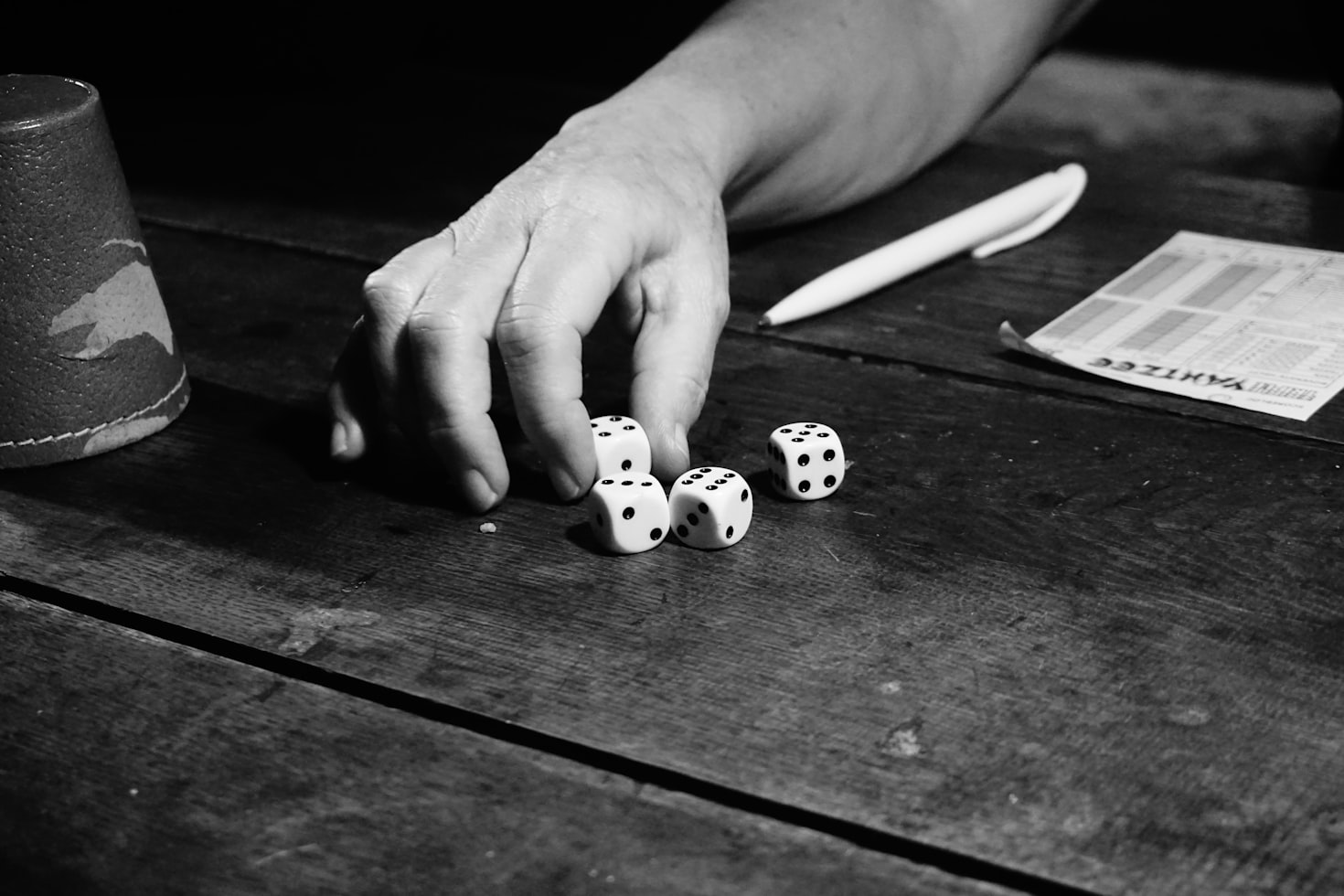
This illusion is further reinforced by the psychological aspects of gambling. Players may encounter “hot streaks” where they win multiple bets in a row, fostering a belief that they have a special ability to beat the odds. Unfortunately, such winning streaks are usually just a fluctuation in luck, and the house edge will eventually assert itself. Players who become overly confident may increase their bets, risking more than they initially intended based on these perceived trends.
Additionally, gambling myths and misconceptions can cloud judgment. Many players subscribe to beliefs about “hot” or “cold” tables or follow strategies based on supposed patterns, which are often unfounded. Being aware of how odds and randomness function can help players maintain a rational approach to gambling, reminding them that the house edge is an enduring factor that cannot truly be surpassed in the long term. Understanding these realities can lead to a more balanced perspective and healthier gambling habits.
Conclusion: Knowledge is Power
Ultimately, while players may not consistently beat the house edge, gaining knowledge and employing effective strategies can significantly enhance their gambling experience. Understanding the intricacies of each game, utilizing sound strategies, and managing one’s bankroll diligently can help players reduce losses and maximize enjoyment. It’s essential to view gambling primarily as a form of entertainment rather than a reliable income source.
Moreover, being cognizant of the differing house edges and making informed choices about which games to engage in can have a profound impact on a player’s experience. Participating in games that allow for skill-based strategies can yield a more fulfilling experience, even if winning is not guaranteed. The key takeaway is that informed players are better positioned to make decisions that lead to longer playtime and minimized risks.
In conclusion, while the house will always hold an edge, a well-informed player who comprehends the mechanics of gambling can enhance their chances of enjoying a positive experience. This knowledge empowers them to make the most of their time at the casino, steering clear of common misconceptions and emotional decision-making. As always, prioritizing responsible gambling is crucial for anyone entering the gaming environment.
