

The Influence of Emotion on Game Selection
Emotions play a significant role in the choices players make at casinos. When entering a gambling environment, individuals often experience a rush of excitement, anticipation, or even anxiety, which can heavily influence their game selection. For instance, someone feeling optimistic may gravitate towards games that promise larger wins, such as slot machines or blackjack. Conversely, a player experiencing stress might seek out games that provide a more comforting atmosphere, such as poker, where interpersonal interactions can alleviate their anxiety.
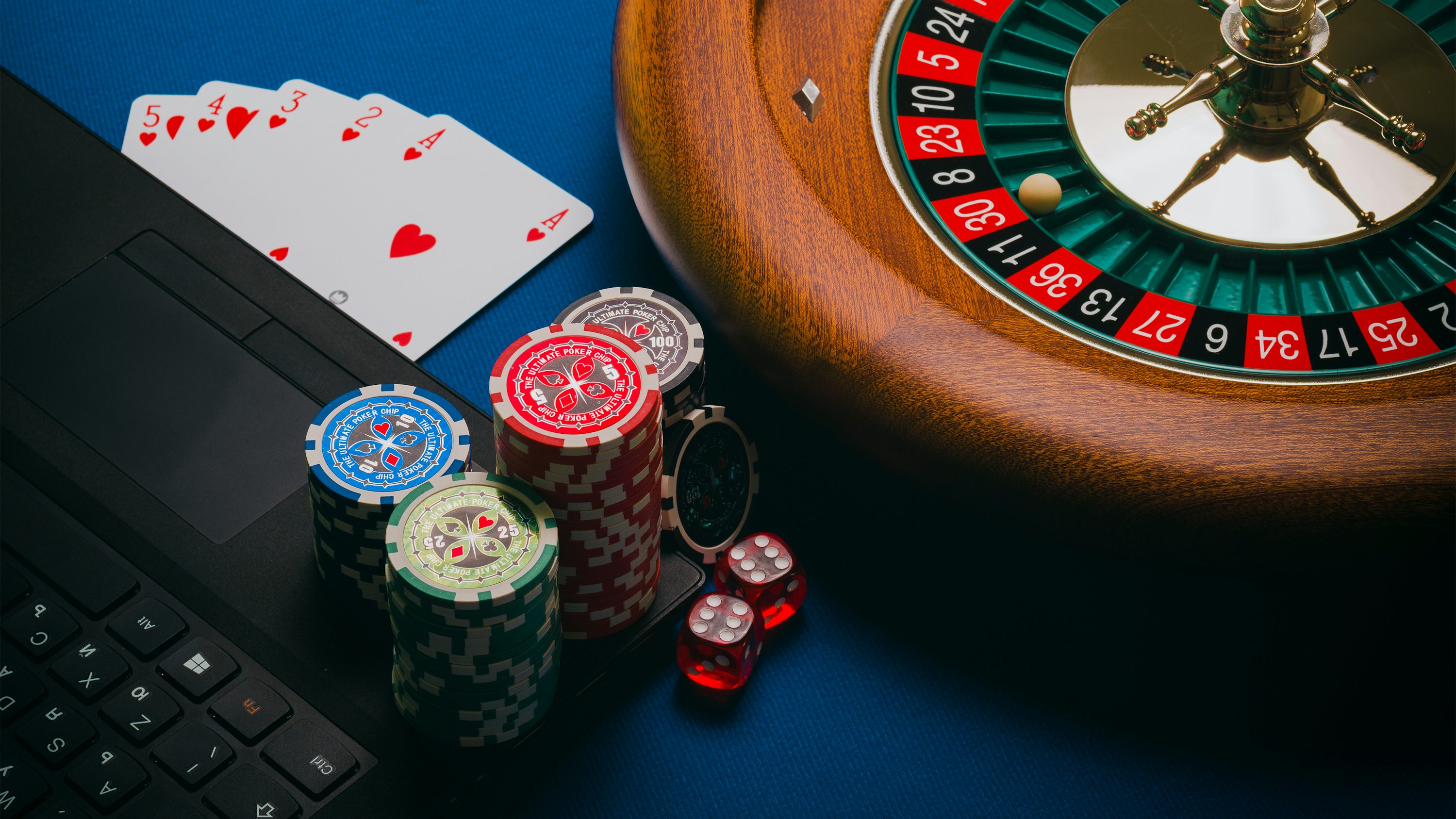
This emotional connection is heightened by the psychological concept of “loss aversion.” Players are typically more motivated to avoid losses than to achieve gains, driving them to choose games where they feel they have a better chance of winning back their losses. Thus, the interplay between emotion and game choice creates a complex behavioral pattern that is pivotal in understanding player decision-making in casinos. online poker sites
The Role of Cognitive Biases
Cognitive biases significantly shape how players process information and make decisions when choosing casino games. One prevalent bias is the “gambler’s fallacy,” where individuals mistakenly believe that past events influence future outcomes. For example, if a roulette wheel has spun red several times consecutively, players may feel that black is ‘due’ to come up next, leading them to choose a game based on flawed reasoning.
Similarly, confirmation bias can lead players to favor games that align with their pre-existing beliefs about luck or skill. This tendency can perpetuate certain behaviors, reinforcing the idea that some games are inherently better choices based on past experiences or anecdotal evidence, regardless of the actual probabilities involved. Understanding these biases is crucial for both players and casino operators when analyzing player behaviors and preferences.
The Impact of Social Environment
The social dynamics present in a casino can greatly affect a player’s game choice and overall behavior. Casinos are often bustling environments filled with engaging sights and sounds, which can lead to social reinforcement among players. For instance, if a group of friends is playing a particular game, an individual may feel inclined to join in due to a desire for social connection and shared experience.
Moreover, the presence of other players can cultivate a sense of competition or camaraderie, which can further influence game selection. Players may opt for games that allow for more interaction, such as poker or blackjack, rather than solitary options like slots. This interaction serves to enhance the entertainment value of the experience, often overshadowing more strategic considerations of game choice.
Players approach gambling with a unique perception of risk and reward that affects their choices. The thrill of chasing the next big win often overshadows the inherent risks associated with gambling. Some players are attracted to high-stakes games that promise substantial payouts, driven by the excitement and potential for large rewards.
However, this attraction to riskier games can lead to erratic behaviors, including prolonged play and escalating bets. Many individuals underestimate the house edge and overestimate their chances of winning, leading them to choose games that are more likely to result in significant losses over time. This psychological propensity to chase losses can become a dangerous cycle, affecting not only the financial aspects of gambling but also the mental well-being of players.

CSInvesting.org: Empowering Financial Decisions
At CSInvesting.org, we recognize the importance of understanding the psychological aspects of decision-making, whether in gambling or investing. Just as players must navigate their choices at the casino, investors benefit from a deep understanding of their psychological tendencies and biases when approaching the financial markets.
