

Understanding the psychological triggers that influence gambling behavior
The Role of Emotion in Gambling
Emotions play a significant role in shaping gambling behavior. People often gamble to escape stress, anxiety, or depression, seeking the excitement and thrill that comes with betting. The highs of winning can create euphoric feelings, while losses might lead to a desperate attempt to chase those highs. This emotional rollercoaster can trap individuals in a cycle of gambling, where each bet is made in the hope of recapturing that initial joy. If you’re curious about mobile gaming alternatives, you can explore https://chicken-road-apk.co.ke/ for an exciting experience.

Furthermore, emotional triggers can skew decision-making processes. Gamblers may not assess risks rationally; instead, their emotions can lead them to make impulsive choices. When a person feels lucky or overly confident, they might increase their bets, ignoring the underlying statistical odds. This connection between emotion and risk-taking highlights how psychological factors can significantly impact gambling behavior.
The Influence of Cognitive Biases
Cognitive biases are systematic patterns of deviation from norm or rationality in judgment. In gambling, biases such as the illusion of control and the gambler’s fallacy can influence behavior dramatically. The illusion of control leads individuals to believe they can influence outcomes in games of chance, prompting them to bet more frequently or with larger amounts.
The gambler’s fallacy, on the other hand, involves the mistaken belief that past events can predict future outcomes in random events, like a coin toss. A gambler might think that a win is “due” after a series of losses. These biases not only distort their perception of risk but also foster a false sense of confidence that keeps them returning to gamble, often against their better judgment.
The Environment’s Impact on Gambling Choices
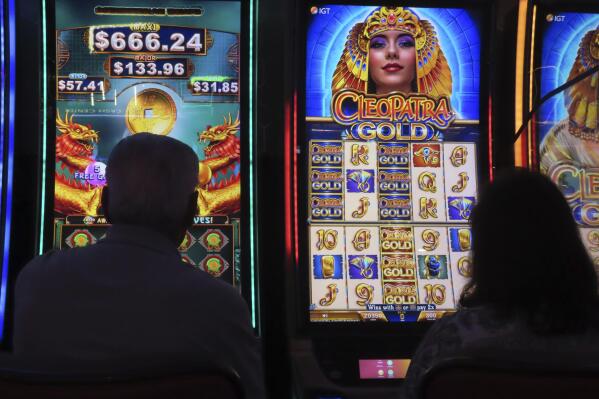
The environment where gambling takes place can significantly influence behavior. Casinos, for example, are designed to create an immersive experience that encourages prolonged play. Bright lights, enticing sounds, and the overall atmosphere are engineered to engage players emotionally, making it easy for them to lose track of time and money.
Moreover, social factors, such as peer pressure and cultural norms, can drive individuals to gamble. If someone is surrounded by friends who enjoy gambling, they may feel compelled to join in, often underestimating the risks involved. This social acceptance can normalize excessive gambling behaviors, further entrenching individuals into the gambling culture.
The Role of Reward Systems in Gambling
The brain’s reward system is intricately linked to gambling behavior. When a person wins, the brain releases dopamine, a neurotransmitter associated with pleasure and reward. This chemical reaction reinforces the behavior, making it more likely that they will gamble again. The anticipation of winning can be just as pleasurable as the win itself, creating a powerful incentive to continue gambling.
However, this reward system can lead to addiction. As individuals chase the euphoric feelings associated with winning, they may gamble increasingly larger sums to replicate those feelings. Over time, what began as a form of entertainment can evolve into a compulsive behavior, driven by the brain’s need for that rewarding dopamine hit.
Exploring the Chicken Road Experience
In today’s digital age, mobile gaming platforms like Chicken Road offer an engaging alternative to traditional gambling experiences. Players can enjoy fast-paced gameplay that tests their reflexes and decision-making skills without the financial risks associated with gambling. With vibrant graphics and intuitive controls, Chicken Road provides a thrilling escape that captivates users. For anyone interested, the Chicken Road App Download is a quick way to get started.
This mobile gaming experience not only entertains but also highlights how technology can create addictive and enjoyable gaming environments. As players navigate through obstacles, the excitement mirrors the adrenaline often felt in gambling scenarios, making it an appealing option for those who enjoy high-stakes action without the potential negative consequences of traditional gambling.
