

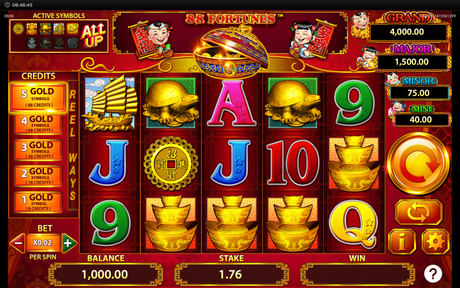
Large online game catalogues can be useful, but only when their menus help you narrow the choice without creating confusion. The New Zealand-facing information for Fortune Play describes a lobby divided into game types, collections and provider sections, alongside live tables, sports and esports. Understanding how those areas fit together makes browsing more efficient and helps you separate genuine game information from promotional labels or unrelated products.
Start with the lobby’s broad categories
The first useful step is to identify what kind of product you are looking for. The catalogue groups casino content into sections such as Pokies or Slots, Jackpot, Bonus Buy, Megaways, Instant Win, Drops & Wins, Hold & Win and Table Games. These labels are not interchangeable. A Hold & Win title, for example, describes a particular style of feature, while a jackpot game may involve a prize structure that differs from a standard slot.
Collections can also be arranged by theme rather than mechanics. Classic Slots, Book Slots, Mythology, Fruit Slots, Asia and Vikings are examples of subject-based groupings. This can be a quicker route when the theme matters more to you than the studio or feature set. However, a familiar theme does not tell you whether a title has high volatility, bonus-buy access or a particular return profile.
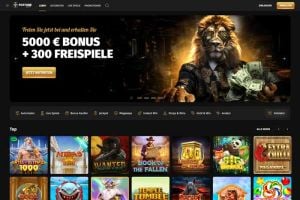
It is also important not to confuse the casino lobby with the wider website. Live dealer games have separate areas for Blackjack, Roulette, Baccarat, Poker and game shows. Sports betting, esports and prediction products are separate activities again. If you are trying to compare slot information, moving into a live or sports section will not answer the same questions. Treat each area as its own catalogue with different rules, terminology and information needs.
Use search and provider menus to reduce the noise
When a catalogue contains thousands of titles, scrolling through every collection is inefficient. The available information describes search and provider navigation as additional ways to locate games. Search is most useful when you already know a title, feature or distinctive word. Entering a partial name can be practical when spelling is uncertain, although results should be checked carefully because similarly named releases may appear together.
Provider filters answer a different question: who produced the game? Studios named in the catalogue include Pragmatic Play, Play’n GO, NetEnt, BGaming, Hacksaw Gaming, Evolution, Ezugi and several others. Provider browsing can help you find a familiar visual style or game format, but it should not be treated as a quality guarantee. A single studio may release titles with very different rules, interfaces and volatility.
A sensible browsing routine is to combine the tools rather than rely on one. Begin with a broad category, narrow it by provider or theme, then search for the exact title if you have one in mind. Open the game information before choosing it and check the displayed rules, paytable and feature description. The catalogue may also vary by market or provider restrictions, so seeing a studio listed does not guarantee that every one of its titles will be available to every user.
Read the game panel rather than trusting the label
Category names are useful for discovery, but they are not a substitute for the game’s own information panel. A label such as “popular”, “new”, “exclusive” or “Drops & Wins” describes how a title has been organised on the site; it does not, by itself, explain the cost of a round, the available symbols, the bonus conditions or the likely pattern of results.
Before opening a title, look for the paytable or help icon and identify the basic operating details. These commonly include the available stake range, winning combinations, special symbols, bonus triggers and any game-specific instructions. If a title offers a bonus-buy option, check whether that is a separate feature with its own price and rules. Never assume that a visible shortcut means every player or market receives identical access.
Short demonstrations can help you understand the controls, but they cannot establish how a game will perform over time. A few spins do not prove its return, volatility or frequency of larger features. For wider context about gambling information and public regulation in New Zealand, readers can consult the Department of Internal Affairs gambling information. That general material should not be read as confirmation of any specific title’s characteristics or availability.
Check live-game details separately from slots
Live casino pages need a different reading method because the important information is not limited to symbols and paylines. The listed sections include popular tables, Blackjack, Roulette, Baccarat, Poker and game shows. A live table may have a named format, a particular speed, a side-bet menu or a studio-specific interface, so the title alone may not explain the full experience.
Open the table rules before joining a session and check the minimum and maximum stake shown for that table. Also look for details about side bets, special rounds, dealing procedures and any limits displayed in the interface. A roulette variant with an added multiplier mechanic is not identical to standard roulette, even if both appear under the same broad category. Similarly, a game show may use a presenter-led format rather than conventional card or wheel rules.
Live listings can also identify the studio, with examples in the source material including Evolution, Pragmatic Play Live, Ezugi and Playtech. Studio recognition may help with navigation, but it does not remove the need to read the individual table rules. Table availability, limits and game presentation can change, and the information shown at the point of selection is more relevant than a general catalogue description.
Make a final check before selecting a title
A useful decision process should be short enough to follow every time. First, confirm that you are in the intended section: slots, live casino, sports or another product. Next, check the title, provider and visible category. Then open the information panel and review the stake settings, rules, feature conditions and any warnings. This prevents a themed collection or promotional tile from becoming the only basis for a decision.
Pay particular attention to differences between a normal game and a promotional feature. Bonus-buy labels, tournaments, jackpots and “drops” may involve separate terms or eligibility requirements. The source material states that promotional availability can depend on the market and that displayed offers should be checked against their terms. Do not assume that a game’s presence in the lobby automatically makes every associated promotion available to you.
Finally, keep a record of what you are comparing. Note the title, provider, category and the rules that mattered to you. If information is missing, unclear or inconsistent between the tile and the game panel, pause and use the site’s Help Centre or support channel rather than guessing. Good navigation is not merely reaching a game quickly; it is reaching the correct information before making a considered choice.
Questions readers often ask
Can a provider filter show every game from that studio?
Not necessarily. The available catalogue can vary according to market and provider restrictions. A provider menu may identify a studio without displaying every title it produces. Treat the results as a current selection, then confirm the individual game’s rules and availability in its own information panel.
Are “popular” and “new” reliable measures of game quality?
No. Those labels are useful browsing categories, not independent assessments of value, fairness or suitability. Popularity may reflect visibility or recent interest, while “new” only indicates release or catalogue timing. Compare the actual rules, stake settings and features instead of relying on the label.
Why do some game details differ between pages?
Different pages may show a short promotional description, a category label or the full game help panel. They may also reflect market-specific availability. When details appear inconsistent, give priority to the current game rules and stated terms, and ask support to clarify anything that could affect your decision.
